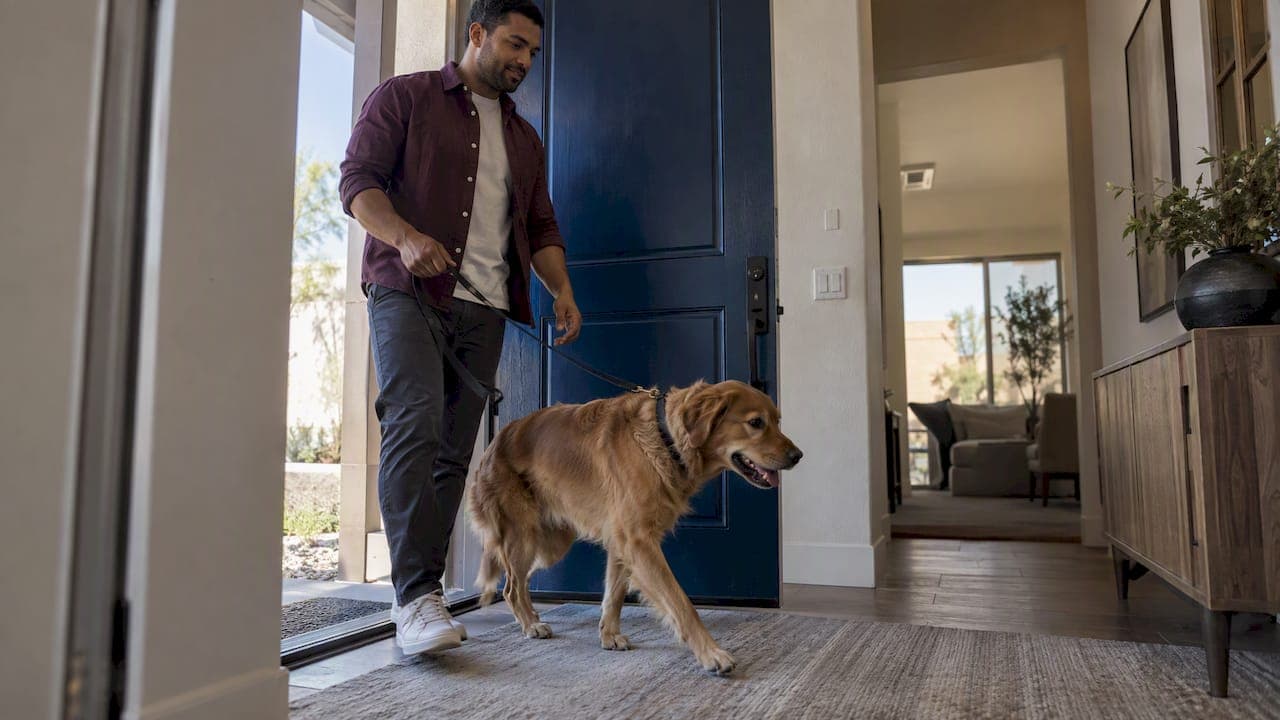
A move to Las Vegas is, for most households, a considered and carefully staged affair, and the animals who share the home deserve the same measured attention as the furnishings. For a dog, cat, or ferret arriving from another state, the essentials are modest but exacting: a health certificate from a veterinarian and a current rabies vaccination, followed after arrival by a microchip and licensing under local rules. Nevada requires no entry permit for these species, so the real work lies in timing, in the journey itself, and in settling an animal into a desert climate with grace.
TL;DR
- Dogs, cats, and ferrets entering Nevada need a health certificate and a current rabies vaccination; no state entry permit is required.
- A Certificate of Veterinary Inspection remains valid for 30 days, and an airline may ask for a certificate issued within a shorter window, so schedule the appointment around your travel date.
- In Clark County, dogs and cats over four months old must be microchipped, and animals over three months old must wear a collar with a current rabies tag.
- Choose the route with the animal's temperament and the season in mind; temperature limits can decide whether air cargo is possible at all.
- Pets arriving from outside the United States face separate federal rules, which begin with the CDC.
Table of Contents
- What Nevada requires before your pet arrives
- The health certificate and its clock
- Flying or driving: choosing the right journey
- Preparing the pet and the carrier
- Our perspective: the pet question belongs in the home search
- Rules that apply once you arrive
- The first days in Las Vegas
- Supporting your move from the first showing to the first walk
- Pets arriving from outside the United States
- Frequently asked questions
- Sources
What Nevada requires before your pet arrives
The Nevada Department of Agriculture states that dogs, cats, and ferrets moving to Nevada need a health certificate and a current rabies vaccination, and that no state entry permit is required for these species. That brevity is reassuring, yet it rewards early attention. The USDA advises that, as soon as your travel details are settled, you should review Nevada's pet requirements and contact your local veterinarian so that the process is guided by someone who knows the animal's history.
A practical order of operations serves most families well:
- Confirm the rabies vaccination is current and that the certificate records the date, product, and your pet's identification.
- Book the veterinary appointment for the health certificate once your travel date is fixed, not before.
- Verify that microchip details, collar tags, and your contact information are up to date.
- Keep digital and paper copies of every document in the bag that travels with you, never in the moving truck.
It is worth remembering that Nevada's rule is the minimum for entry. Your airline, if you fly, may set stricter conditions, and the county will add its own expectations after you arrive. Each is addressed below.
The health certificate and its clock
The health certificate, formally a Certificate of Veterinary Inspection, carries a clock. Nevada's agriculture department notes that these certificates are valid for 30 days from the date of issuance. For a leisurely drive that window is generous; for a move complicated by closing dates, temporary housing, or a delayed truck, it can quietly lapse.
Airlines tighten the clock further. Delta Cargo, for instance, asks for a Domestic Health Certificate signed by a USDA-accredited veterinarian within 10 days of travel, and it does not accept sedated or tranquilized animals. Two lessons follow. First, the veterinarian who signs the certificate should be accredited, which is worth confirming when you book. Second, whichever deadline is shorter governs, so plan the appointment around the most restrictive party in your journey, whether that is the state, the airline, or a pet transport service.

For out-of-state buyers closing on a home, the sequence matters in the opposite direction as well. Real estate timelines shift; veterinary paperwork does not stretch with them. A sensible compromise is to hold the appointment until the closing date is firm, and to keep your veterinarian informed so that a rescheduled appointment can be arranged without strain.
Flying or driving: choosing the right journey
The route you choose is largely a question of distance, temperament, and season. Many owners who relocate from California can drive in a day, with the animal beside them in a secured carrier or harness; those arriving from New York or the Northeast face a longer calculus.
Traveling by air
Airline policies differ in whether a pet may ride in the cabin or must travel in the hold or as cargo, and the specifics change, so consult your carrier directly before you purchase a ticket. What can be said with confidence is that cargo carriage is governed by tight rules. Delta Cargo requires containers that comply with the current IATA Live Animals Regulations, and it requires forecasted temperatures between 20°F and 80°F while the pet is in its care on the ground, with an acclimation statement when the lowest forecast falls between 20°F and 45°F. A Las Vegas summer, in which afternoon heat can exceed that ceiling, makes such limits more than theoretical, and a travel date in cooler months may be the difference between a straightforward booking and a refusal.
The American Veterinary Medical Association recommends booking non-stop flights and favoring early morning or late evening travel in warm seasons to reduce temperature-related risk. Flat-faced breeds and animals with respiratory or cardiac conditions warrant an explicit conversation with your veterinarian before any air travel is booked.
Traveling by road
Driving offers control: you set the pace, schedule the stops, and keep the animal within sight. The AVMA's guidance is to practice car travel in advance if the move is by road, so that the first long drive is not the animal's first drive of any length. Plan for water, breaks, and a secured carrier or harness, and never leave an animal in a parked vehicle; interior temperatures in the desert climb with alarming speed.
Hiring a ground or air pet transport service
For families who cannot travel with their animals, professional pet transporters, including those who handle airport pickup and drop-off, are an established option. Ask any provider about its handling procedures, how it manages the health certificate window, what happens in a flight delay, and how it communicates during transit. Those answers matter more than a quoted price.
Preparing the pet and the carrier
The most overlooked part of an animal's relocation happens weeks before departure. The AVMA advises owners to acclimate their pet to the travel crate well before the move, to include familiar items such as a blanket or toy, and to confirm that identification, including collars, tags, and microchips, carries current contact information. The carrier should be well ventilated, secure, and clearly labeled with your details.
A gentle approach works best. Leave the carrier open in a living area, feed the animal near it, and lengthen the time spent inside by small increments. An animal that regards the crate as a retreat will travel with far less distress than one introduced to it at the airport.

The broader emotional weather of a household in transition matters too. Animals read the tension of packing, closing, and departure. Planning the logistics of the entire move, from the home search to the last box, in a deliberate way keeps that tension lower for everyone, and this calm approach to relocation stress offers a useful framework for staging the days around your departure.
Our perspective: the pet question belongs in the home search
In our work with out-of-state families relocating to Las Vegas, we have found that the animal is rarely an afterthought; for many households it is among the first criteria, spoken aloud in the opening conversation. We think it should be. A residence is not merely a place to keep a pet; it shapes the pet's daily life, from shade and surfaces underfoot to the distance between a back door and a quiet stretch of green.
We encourage buyers to weigh a few considerations alongside the architecture and the view. Consider whether a property's outdoor spaces offer genuine shade for the hotter months and a secure perimeter, whether a pool is fenced or otherwise secured, and whether a community's governing documents place limits on the number, size, or breed of animals. Homeowners' association rules vary considerably, and in a luxury condominium or a guard-gated enclave they can be decisive, so we ask to see them early, before an offer rather than after. Owners considering a waterfront address may find our notes on Lake Las Vegas waterfront living a useful complement, and those weighing a private pool should understand the ongoing costs of pool maintenance in Las Vegas before committing.
Our counsel, in short, is to let the household's whole life, animals included, inform the property you choose, and to sequence the move so that the animal arrives into a home that is ready for it.
— Yelena
Rules that apply once you arrive
Nevada's entry rules are only the first layer. Local regulation governs what you owe your community after the move, and it is here that new residents most often stumble.
Rabies vaccination and microchipping
Nevada requires dogs, cats, and ferrets over three months old to hold a current rabies vaccination, and Clark County adds that dogs and cats over four months old must be microchipped, while dogs, cats, and ferrets over three months old must wear a collar with a current rabies tag. A pet already microchipped in another state is well placed, but confirm that the registration lists your new Las Vegas address and phone number; a chip that points to a former landline is of little use to a finder.
The Nevada Department of Agriculture also notes that bats are a common source of rabies in the region and urges owners to keep to a proactive vaccination schedule, a reminder that the rule exists to protect people as well as animals.
Licensing within the City of Las Vegas
Residents inside the City of Las Vegas can apply for or renew a pet license online, in person, or by mail; mail applications require a current rabies vaccination certificate. Check the city's page for current fees and any documents required for spayed or neutered animals, as these can change.
Because the Las Vegas valley spans several jurisdictions, confirm whether your address falls within the City of Las Vegas or within unincorporated Clark County or another municipality before you apply, since each administers its own licensing.
Limits on the number of animals
The city also sets a ceiling. No more than six dogs over three months old or six cats over four months old may be kept at one residence without a special permit. For most households this is academic, but for breeders, foster families, and those relocating a large menagerie it deserves a prior phone call.
The first days in Las Vegas
An animal's first week in a new home is best conducted quietly. Set up a single familiar room with bedding, water, and the carrier left open, and introduce the remainder of the house in stages. Keep the routine of meals and walks as close to the former schedule as possible, and take early morning or evening walks while the desert heat is high, since pavement can be punishing to paws long after the air has cooled.
In the same week, handle the administrative items together:
- Update the microchip registry with your new address.
- Begin the city pet license application, or confirm which jurisdiction applies.
- Establish care with a local veterinarian and transfer records.
- Check that the collar carries a current rabies tag and your new number.
Supporting your move from the first showing to the first walk
For buyers relocating from California, New York, or elsewhere, the logistics of a home purchase and the logistics of an animal's journey tend to collide in the same few weeks. Yhluxrealestate, led by Yelena Horton and backed by the global network of Sotheby's International Realty, offers a relocation concierge designed for out-of-state buyers, together with buyer representation and negotiation that keep your position strong while the many pieces of a move fall into place. Tell us about the animals in your household at the outset, and we will help you find homes and communities that suit them.

To begin a conversation about your move, visit Yhluxrealestate and learn how our relocation concierge and buyer representation can serve your household.
Pets arriving from outside the United States
The guidance above concerns animals traveling within the country. Those arriving from abroad follow federal rules that are considerably more demanding. Dogs entering the United States from other countries must meet CDC requirements: they must be at least six months old, microchipped, and accompanied by a receipt for a completed CDC Dog Import Form, with additional documentation depending on the risk status of the country of origin. Requirements for cats and other species differ, so verify them with the CDC and USDA APHIS and with your airline well before booking. Allow ample lead time; international paperwork is seldom something to arrange in the final fortnight.
For those who are also arranging financing as a foreign national, our overview of foreign national mortgages in the USA explains how to align the purchase with a move of this kind.
Frequently asked questions
Do I need a permit to bring a dog or cat into Nevada?
No. Nevada's agriculture department states that no state entry permit is required for dogs, cats, or ferrets. You do need a health certificate and a current rabies vaccination. Confirm any additional conditions with your airline or transporter.
How long is a health certificate good for?
A Certificate of Veterinary Inspection is valid for 30 days from the date of issuance for Nevada entry. Some airlines require a shorter window, such as 10 days for Delta Cargo. Schedule the appointment against the shortest deadline in your itinerary.
Does my pet need a microchip in Las Vegas?
In Clark County, which includes Las Vegas, dogs and cats over four months old must be implanted with a registered microchip. If your pet is already chipped, update the registration with your new address and phone number after the move.
Is it safe to fly a pet to Las Vegas in summer?
It can be difficult. Delta Cargo, for example, requires forecast ground temperatures between 20°F and 80°F, and the AVMA suggests early morning or late evening flights in warm seasons. Ask your veterinarian and airline about alternatives, including driving or a cooler travel date.
Sources
- Import Requirements, Nevada Department of Agriculture
- Take a Pet from One U.S. State or Territory to Another, USDA APHIS
- Requirements and Restrictions, Delta Cargo domestic pets
- Traveling with your dog or cat, American Veterinary Medical Association
- Animal permits, Clark County
- Animal Protection Services, City of Las Vegas
- Pet Licenses, Permits & Info, City of Las Vegas
- Protect humans and pets, vaccinate animals against rabies, Nevada Department of Agriculture
- Pet Policies, Delta
- Relocation Stress Management: A Calm Plan for Your Move