
A new-home warranty is the builder's written promise to repair defects after closing, and in the United States, the accepted framework is the 1-2-10 structure: one year for workmanship and materials, two years for major systems, and ten years for structural defects. Read the written document closely, because state law and builder language both shape what those numbers actually mean in practice.
TL;DR:
- The first year generally covers cosmetic issues like drywall cracks, misaligned doors, and paint imperfections.
- Major systems such as plumbing and electrical are typically covered in the first two years, excluding damage caused by improper use.
- Structural defect coverage usually lasts up to ten years and applies only to load-bearing elements, not cosmetic settling or minor cracks.
- Normal wear and tear, weather-related damage, and appliances are generally excluded from warranty coverage and are handled by manufacturers.
- Filing a claim requires prompt documentation, photos, and written communication, with many claims resolved through mediation or arbitration rather than courts.
Table of Contents
- How Do Builder Warranties Differ From Home Service Contracts?
- What Does the 1-2-10 Warranty Structure Actually Cover?
- What Typically Voids or Limits Warranty Coverage?
- How Do You File a Warranty Claim on a New Home?
- How Does State Law Change Your Warranty Rights?
- What Should You Ask Before Signing a New Construction Contract?
- Why Warranty Strength Matters Most for Relocating Buyers
- Where to Verify Warranty Rules and Sample Language
- Sources
- FAQ
How Do Builder Warranties Differ From Home Service Contracts?
A builder warranty is a promise from the party who built your home, not an insurance policy and not the same product as a home warranty you might buy off the shelf. The FTC draws a clean line between the two: a builder's warranty addresses construction defects, while a home service contract is a paid add-on covering appliance and system breakdowns from ordinary wear, regardless of who built the house. One real estate industry comparison puts it plainly for buyers weighing both products at once, since the overlap in language causes real confusion at the closing table.
Builders offer these warranties partly because state law requires it and partly because a documented repair process protects them from open-ended liability. In exchange, the warranty typically limits your remedy to repair or replacement, not cash compensation or a blank check for damages.
- Builder warranty: typically covers construction defects in workmanship, systems, and structural elements.
- Manufacturer warranty: covers specific appliances or fixtures, managed by the manufacturer, not the builder.
- Home service contract: an optional paid product that covers repairs due to normal wear and tear, separate from construction quality.
What Does the 1-2-10 Warranty Structure Actually Cover?
The FTC's own description of the 1-2-10 standard breaks coverage into three distinct clocks, each with a different threshold for what qualifies.
- The first year typically covers workmanship and finish issues. Items such as drywall cracks beyond hairline, misaligned doors, uneven paint, and trim gaps often qualify. This is when you should walk the home room by room and flag everything.
- The first two years generally cover major systems. Plumbing leaks, electrical failures, and HVAC malfunctions are included, but issues caused by improper use, such as incorrectly set thermostats or neglected filter changes, usually do not qualify.
- Subsequent years cover structural defects, often up to a decade. This coverage is usually limited to load-bearing elements like foundations, beams, and roof framing, excluding normal settling cracks or minor floor noises.
Builder warranty booklets from major national builders, including PulteGroup's published limited warranty, follow this same tiered logic and spell out exact performance standards for each category. The structural tier is the one buyers misunderstand most. A "structural defect" generally means a failure that affects the load-bearing capacity of the home, not cosmetic settling that shows up as a hairline crack in a garage slab. Knowing that threshold before you file a claim saves you a frustrating denial letter.
What Typically Voids or Limits Warranty Coverage?
Most builder warranties exclude a predictable set of issues, and knowing them ahead of time prevents a wasted claim. Normal wear and tear, minor cosmetic cracking, and damage from weather events like flooding or earthquakes almost never qualify. Appliances remain the manufacturer's responsibility, not the builder's, even when they were installed during construction.
- Normal wear and tear on finishes, flooring, and fixtures
- Cosmetic hairline cracking in drywall, stucco, or concrete
- Damage from floods, earthquakes, or other weather events
- Appliances covered separately under their own manufacturer warranty
- Damage caused by homeowner modifications or unlicensed third-party repairs
Owners carry real obligations too. Skipping HVAC servicing, ignoring gutter maintenance, or hiring an outside contractor to "fix" a covered issue before the builder inspects it can void that specific claim entirely. Most warranties also cap the remedy itself, limiting the builder to repair or replacement rather than reimbursing you for a hotel stay during repairs.
Pro Tip: Keep every maintenance receipt, from HVAC tune-ups to gutter cleanings, in one folder. If a claim gets disputed, that paper trail is often what settles it in your favor.
How Do You File a Warranty Claim on a New Home?
Filing a claim rewards buyers who move quickly and document everything, rather than those who wait and hope the issue resolves itself.
- Reread your written warranty booklet to confirm the defect falls within an active coverage tier.
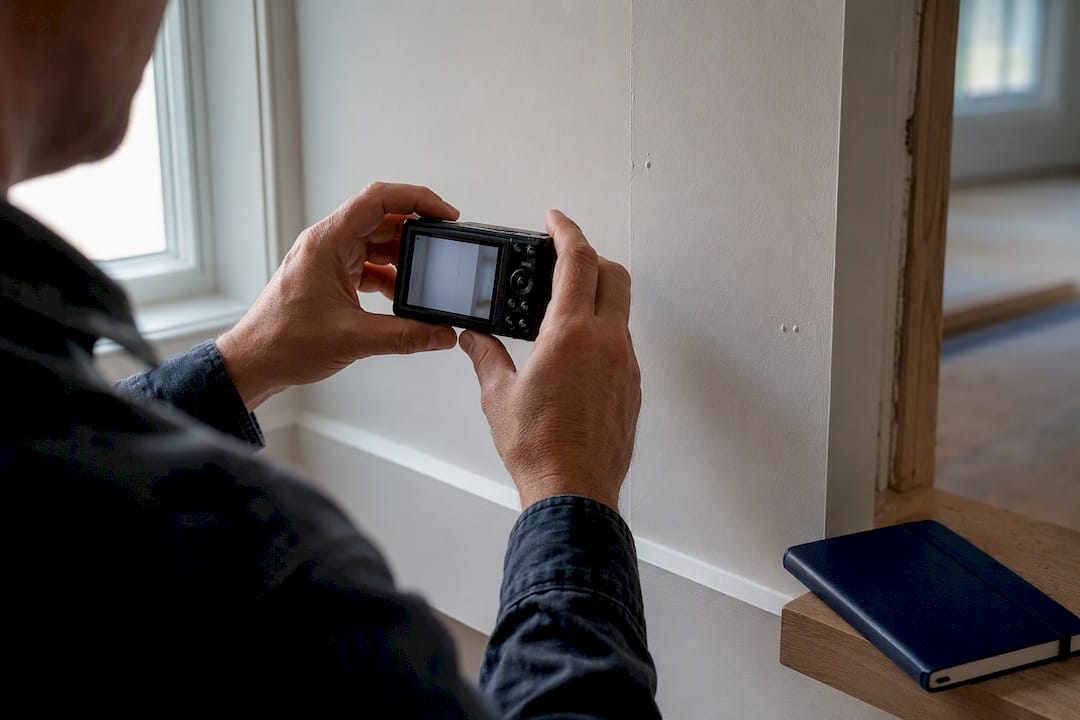
- Photograph the issue clearly, including a wide shot for context and a close-up for detail.
- Submit a written claim to the builder, not a phone call alone, and request delivery confirmation or a return receipt.
- Log every follow-up communication with dates and names, since disputes often hinge on a documented timeline.
- Expect an inspection within a reasonable window, though true emergencies affecting habitability, like a major plumbing failure, should get faster attention.
Most warranty documents also include a dispute clause steering unresolved claims toward mediation or arbitration rather than court, which limits your legal options but often resolves issues faster. Homes financed through FHA or VA loans carry an added wrinkle worth knowing.
HUD guidance notes that FHA and VA loan programs often require builders to provide third-party-backed warranties for new construction, and these warranties do not substitute for homeowners or flood insurance.
Third-party backing matters here because it means a company beyond the builder itself stands behind the claim, which is worth confirming before you sign anything.
How Does State Law Change Your Warranty Rights?
Warranty terms are not uniform across the country, and state statutes often set a floor the builder cannot contract below. Nevada is a useful example for anyone buying in the Las Vegas market.
- Nevada's NRS 624.602 requires licensed contractors to provide a written, transferable warranty valid for at least one year from the date of the written punch list, along with disclosure of purchaser rights.
- New Jersey runs a state-administered program under its New Home Warranty and Builders' Registration Act, backed by a security fund that can pay for repairs if a registered builder fails to perform.
- Connecticut and other states maintain their own consumer-facing warranty guidance, and requirements shift enough from state to state that assuming uniform national rules is a mistake.
Always confirm the specifics with your state's contractors' board or licensing authority before assuming your builder's booklet tells the whole story.
What Should You Ask Before Signing a New Construction Contract?
Bring this checklist to your final walkthrough or contract review, because verbal assurances from a sales team carry no weight once the warranty document is the only thing left standing.
- Ask exactly when warranty coverage begins: closing date, punch-list date, or move-in date can all differ.
- Confirm the warranty transfers to a future buyer if you sell within the coverage window.
- Ask whether the warranty is backed by a third party like 2-10 Home Buyers Warranty or solely by the builder itself.
- Get exact coverage terms for each of the three tiers in writing, not a verbal summary.
- Ask how emergencies affecting habitability are handled outside normal inspection timelines.
Pro Tip: Insist the warranty document be physically attached to your purchase contract, not just referenced by name. A booklet you never received is nearly impossible to enforce later.
Preserve your punch list and any inspection photos indefinitely. A builder disputing a claim two years later will often ask for the exact documentation you generated at closing.
Why Warranty Strength Matters Most for Relocating Buyers
When evaluating new construction for clients, we weigh three things above all else: whether the warranty is transferable, whether it carries third-party backing beyond the builder's own promise, and whether the claims process is clearly written rather than left to a sales representative's word. That clarity matters even more for buyers relocating from out of state, who cannot easily drive over to check on a repair or sit in on a builder meeting. A relocation concierge service exists partly to help those buyers ask the right questions before closing, not after a problem surfaces.
— Yelena
Where to Verify Warranty Rules and Sample Language
For direct verification, start with the FTC's consumer guidance on new-home warranties, HUD's resources on FHA and VA warranty requirements, and a sample builder booklet like PulteGroup's warranty document. For state-specific rules, check your state's builders' licensing board directly, since requirements like Nevada's NRS 624.602 vary meaningfully from state to state.
If you're evaluating new construction in the Las Vegas market and want a second opinion on warranty strength before you sign, Yhluxrealestate works directly with buyers, including out-of-state clients, to review these terms as part of the purchase process.
This article is general information, not a substitute for advice from a qualified lawyer. Consult a qualified legal professional about your own circumstances before acting on anything here.
Sources
- Warranties for New Homes | Federal Trade Commission
- PulteGroup New Home Limited Warranty (example builder warranty booklet)
- New Jersey New Home Warranty homeowners booklet
- U.S. Department of Housing and Urban Development (HUD)
FAQ
What warranties do new construction homes come with?
Most new homes come with a builder warranty following the 1-2-10 structure: one year for workmanship, two years for systems like plumbing and electrical, and ten years for major structural defects.
Does the VA require a 10-year warranty on new construction?
VA and FHA loan programs often require builders to provide third-party-backed warranties on new construction, and these frequently include the standard 10-year structural coverage, though exact terms depend on the lender and builder.
What is a typical construction warranty?
A typical construction warranty is a written builder promise to repair or replace defective workmanship, systems, and structural elements, generally following the 1-2-10 framework rather than offering cash payouts or full insurance-style coverage.
What is the typical duration of a new construction warranty?
The typical duration spans ten years total, split into one year for workmanship and finishes, two years for major systems, and up to ten years for structural defects, though some states set different minimums by statute.